
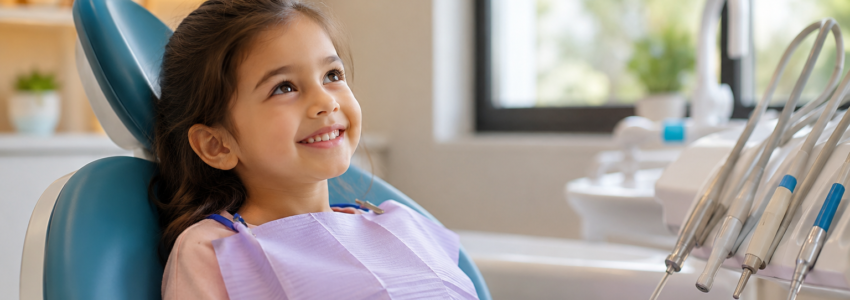
A child’s first dental visit is an important step toward building healthy oral habits for life. Many parents wonder when they should take their child to the dentist, especially when there are no visible dental problems. The right answer is earlier than many people expect. Dental care should begin soon after the first tooth appears, rather than waiting until all baby teeth have erupted or a problem develops.
Early dental visits allow parents to understand their child’s oral health needs, learn proper brushing techniques, and identify potential concerns before they become complicated. Professional guidance can also make dental visits feel normal and comfortable for children.
When Should a Child First Visit the Dentist?
It is generally recommended that a child have their first dental visit by their first birthday or within six months after the first tooth appears, whichever comes first. Baby teeth may eventually fall out, but they play an important role in chewing, speech development, maintaining space for permanent teeth, and supporting healthy jaw development.
A first visit does not necessarily mean that your child will need extensive treatment. In many cases, the appointment focuses on checking the teeth and gums, discussing oral hygiene, and helping parents understand how to care for their child’s developing smile.
Why Early Dental Visits Matter
Starting dental care early offers several benefits for children and parents.
1. Detecting Dental Problems Early
Tooth decay can develop even in very young children. Early examinations allow dental professionals to identify early signs of cavities, enamel problems, gum concerns, or developmental issues. Detecting these problems early can make treatment simpler and more comfortable.
2. Building Good Oral Hygiene Habits
Young children need help learning how to brush effectively. A dentist can guide parents about appropriate brushing techniques, toothpaste use, brushing frequency, and other daily habits. Establishing these routines early can help children develop positive attitudes toward oral care.
3. Monitoring Tooth and Jaw Development
As children grow, their teeth and jaws undergo significant changes. Regular dental visits allow professionals to monitor the eruption of baby and permanent teeth and identify possible alignment or developmental concerns.
4. Preventing Dental Anxiety
Children who visit a dentist only when they have severe tooth pain may associate dental care with fear or discomfort. Beginning visits early can help make dental appointments a familiar part of their routine.
What Happens During a Child’s First Dental Visit?
A child’s first dental appointment is usually designed to be gentle and age-appropriate. Depending on the child’s age and cooperation, the dentist may examine the teeth, gums, mouth, and jaw development.
Parents may also receive advice about:
- Brushing and flossing techniques
- Choosing an appropriate toothbrush
- Fluoride toothpaste and proper usage
- Healthy snacks and drinks
- Thumb-sucking or pacifier habits
- Bottle-feeding and bedtime routines
- Prevention of early childhood tooth decay
The dentist may also answer questions about teething, tooth eruption, mouth injuries, and other concerns.
What Is Pedodontic Treatment?
Children have unique dental needs because their teeth, jaws, and oral structures are still developing. Pedodontic Treatment focuses on dental care specifically designed for infants, children, and growing patients.
Depending on the child’s needs, pediatric dental care may include preventive examinations, cavity management, fluoride applications, dental sealants, treatment of damaged baby teeth, and guidance regarding oral habits.
The goal is not simply to treat existing problems but also to protect developing teeth and encourage healthy oral habits.
Signs Your Child May Need a Dental Visit Sooner
Regular checkups are important even when everything appears normal. However, parents should schedule a dental appointment sooner if they notice symptoms such as:
- Toothache or persistent mouth discomfort
- Sensitivity while eating or drinking
- White, brown, or dark spots on teeth
- Swollen or bleeding gums
- Difficulty chewing
- Bad breath that continues despite good oral hygiene
- Chipped, cracked, or damaged teeth
- Unusual tooth eruption
- Persistent mouth sores
- Problems related to thumb-sucking or other oral habits
A timely examination can help determine the cause and prevent a minor concern from becoming more serious.
How Parents Can Prepare Their Child for the Dentist
A positive first dental experience begins at home. Parents can talk about the dentist in a simple and encouraging way. Avoid using words that may create unnecessary fear, such as “pain,” “injection,” or “hurt.”
Instead, explain that the dentist will count and check the child’s teeth. Reading children’s books about dental visits or playing pretend dentist can also help make the experience familiar.
Parents should remain calm and positive during the appointment. Children can easily pick up on parental anxiety, so a relaxed attitude can help them feel more comfortable.
Choosing the Right Children’s Dentist
Choosing a suitable Children’s Dentist is important because children may require a different approach from adult patients. A child-friendly dental environment, gentle communication, patience, and age-appropriate care can make dental visits more positive.
Parents should consider a dental professional who takes time to explain procedures, answers questions clearly, and focuses on preventive care. Regular visits can help establish a relationship between the child, parents, and dental team.
For families looking for comprehensive oral healthcare, a trusted Dental Clinic in Rahatani can provide guidance for children as well as adults.
How Often Should Children Visit the Dentist?
After the first dental examination, the dentist can recommend a suitable schedule based on the child’s oral health. Many children benefit from regular dental checkups approximately every six months, although some may need more frequent monitoring.
Regular appointments allow the dentist to track dental development, reinforce good hygiene habits, and identify potential problems early.
Frequently Asked Questions (FAQs)
At what age should my child first visit a dentist?
A child should generally have their first dental visit by their first birthday or within six months after the first tooth appears.
Should I take my child to the dentist if there are no cavities?
Yes. Dental visits are not only for treating cavities. Preventive examinations help monitor oral development and teach parents and children healthy dental habits.
Are baby teeth really important?
Yes. Baby teeth help children chew food and develop speech while maintaining space for permanent teeth. Keeping them healthy is important for overall oral development.
What if my child is afraid of the dentist?
Fear is common among young children. A gentle, child-friendly approach and early routine visits can help children become more comfortable with dental care.
How can I prevent cavities in my child?
Regular brushing with fluoride toothpaste, limiting sugary snacks and drinks, encouraging healthy eating habits, and maintaining routine dental visits can help reduce the risk of tooth decay.
Is pediatric dental care only for children with dental problems?
No. Preventive care is an important part of pediatric dentistry. Regular examinations help identify risks early and support healthy dental development.
Final Thoughts
A child’s first dental visit should be viewed as the beginning of a lifelong relationship with oral healthcare. Starting early allows parents to receive professional guidance, identify potential concerns, and help children develop healthy habits before dental problems arise.
Regular checkups, proper brushing, balanced nutrition, and positive dental experiences can all contribute to a healthier smile as your child grows. If you have concerns about your child’s teeth, gums, tooth eruption, or oral habits, scheduling an early dental consultation can provide valuable guidance.
Connect With Us
Dr. Yadav’s Smile Dental Clinic
Fortuna Business Center Office No. 309, Third Floor, Opposite MacDonald, Shivar Chowk, Pimple Saudagar, Pune- 411027
Call us at: +91 9890805346 / 020 46777707 (In Clinic Timing Only)
E-Mail us at: drshirish11@gmail.com
 WhatsApp us